The 99 Names of Allah (Asma-ul-Husna, اسماء الحسنیٰ) are the beautiful names and attributes by which Allah is known, such as Ar-Rahman (the Most Merciful), Al-Malik (the King) and Al-Ghaffar (the Great Forgiver). The Quran says, “To Allah belong the most beautiful names, so call upon Him by them” (Quran 7:180), and the Prophet ﷺ said, “Allah has ninety-nine names, one hundred minus one; whoever knows them will enter Paradise” (Sahih al-Bukhari 2736). Below you will find all 99 names with Arabic, transliteration, English and Urdu meanings.
The well-known list of 99 names used in this page (and in most books) is recorded in Jami at-Tirmidhi 3507. Imam Tirmidhi called this narration gharib, and many hadith scholars consider the enumerated list itself weak, while the hadith that Allah has 99 names is authentic. Most of the names in the list are taken from the Quran, and scholars use the list as a practical way to learn Allah’s names. Knowing them (ihsa’) means learning them, understanding their meanings and living by them — not only counting them.
Learn a few daily: memorise 3–5 names a day with their meaning; in about a month you can learn all 99.
Call upon Allah by the fitting name: e.g. Ya Ghaffar when asking forgiveness, Ya Razzaq when asking for provision, Ya Hadi when asking for guidance — this is how Quran 7:180 tells us to make dua.
See the names in the Quran: search verses such as Ar-Rahman or Al-Hakim with the Quran Ayat Search tool.
Important note about “Fazilat”: The fazilat lines under each name below (for example reading a name 100 or 3,000 times for a particular benefit) come from popular wazaif books and later practice. They are not from the Quran or authentic Hadith, and the counts are not fixed by the Sunnah. Calling upon Allah by His names is encouraged without set numbers, and duas from the Quran and Sunnah are best. Spiritual recitation supports but does not replace medical treatment — if you are ill, please see a doctor.
اسماء الحسنیٰ – مختصر تعارف
اللہ تعالیٰ کے ننانوے (99) خوبصورت نام اس کی صفات کا تعارف ہیں۔ قرآن مجید (الاعراف 7:180) میں حکم ہے کہ اللہ کو انہی ناموں سے پکارو، اور صحیح بخاری (2736) کی حدیث کے مطابق جو ان ناموں کو یاد کرے اور ان کے مطابق زندگی گزارے وہ جنت میں داخل ہو گا۔ ہر نام کے ساتھ دی گئی “فضیلت” عام وظائف کی کتب سے ہے، قرآن و صحیح حدیث سے ثابت نہیں۔
Asma-ul-Husna: Names 1–60
ARABIC · TRANSLITERATION · ENGLISH · URDU MEANING
01
الرَّحْمَنُ
Ar-Rahman
The Most Mercifulبڑا مہربان
Fazilat: 100 baar parhne se bhoolne ki bimari door hoti hai.
02
الرَّحِيمُ
Ar-Raheem
The Especially Mercifulنہایت رحم والا
Fazilat: Rozana 100 baar parhne se duniyawi museebaton se hifazat hoti hai.
03
الْمَلِكُ
Al-Malik
The Absolute Rulerحقیقی بادشاہ
Fazilat: Kasrat se parhne wale ko log izzat ki nigah se dekhte hain.
04
الْقُدُّوسُ
Al-Quddus
The Pure Oneہر عیب سے پاک
Fazilat: Rozana parhne se dil se waswase aur pareshani door hoti hai.
05
السَّلَامُ
As-Salam
The Source of Peaceسلامتی دینے والا
Fazilat: Mareez par 160 baar parhne se shifa naseeb hoti hai.
06
الْمُؤْمِنُ
Al-Mu’min
The Giver of Security and Faithامن دینے والا
Fazilat: Ism-e-Mubarak parhne se dushman ke khauf se hifazat milti hai.
07
الْمُهَيْمِنُ
Al-Muhaymin
The Guardianنگہبان
Fazilat: Ghusl ke baad parhne se batin roshan hota hai.
08
الْعَزِيزُ
Al-Aziz
The Victoriousسب پر غالب
Fazilat: Fajr ke baad 40 din tak parhne se izzat aur khuddari milti hai.
09
الْجَبَّارُ
Al-Jabbar
The Compellerزبردست
Fazilat: Ism ki barkat se har qism ke zulm se hifazat rehti hai.
10
الْمُتَكَبِّرُ
Al-Mutakabbir
The Greatestبڑائی والا
Fazilat: Kam shuru karne se pehle parhne se kamyabi milti hai.
11
الْخَالِقُ
Al-Khaliq
The Creatorپیدا کرنے والا
Fazilat: Raat ko parhne se farishta hifazat par lag jata hai.
12
الْبَارِئُ
Al-Bari’
The Evolverٹھیک بنانے والا
Fazilat: Mushkil kamo mein asani paida hoti hai.
13
الْمُصَوِّرُ
Al-Musawwir
The Flawless Shaperصورت دینے والا
Fazilat: Aulaad ke husool ke liye iska wird nihayat mufeed hai.
14
الْغَفَّارُ
Al-Ghaffar
The Great Forgiverبڑا بخشنے والا
Fazilat: Gunahon ki maafi ke liye kasrat se parhein.
15
الْقَهَّارُ
Al-Qahhar
The All-Prevailingسب کو بس میں رکھنے والا
Fazilat: Nafs ki shararat aur buri adaton se nijat milti hai.
16
الْوَهَّابُ
Al-Wahhab
The Supreme Bestowerسب کچھ عطا کرنے والا
Fazilat: Dua ki qabooliyat ke liye iska wird kamil hai.
Fazilat: Mushkilat aur pareshaniyon ka hal nikalne ke liye parhein.
58
الْمُبْدِئُ
Al-Mubdi’
The Originatorپہلی بار پیدا کرنے والا
Fazilat: Hamal ki hifazat ke liye 99 baar parhna mufeed hai.
59
الْمُعِيدُ
Al-Mu’id
The Restorerدوبارہ پیدا کرنے والا
Fazilat: Gum-shuda shakhs ki khairiyat aur wapsi ke liye parhein.
60
الْمُحْيِي
Al-Muhyi
The Giver of Lifeزندہ کرنے والا
Fazilat: Bimariyon se shifa aur dil ki zindagi ke liye nihayat mufeed hai.
Asma-ul-Husna: Names 61–99 with Meanings
The second part of the list runs from Al-Mumit (the One who causes death) to As-Sabur (the Patient). It includes names that describe Allah’s life and power, such as Al-Hayy and Al-Qayyum — both found in Ayat al-Kursi (Quran 2:255) — and His oneness, such as Al-Ahad and As-Samad from Surah Al-Ikhlas.
As with names 1–60, the “fazilat” lines are from popular wazaif books, not from authentic hadith. The surest benefit is to know Allah through His names and to call upon Him with them in your duas.
Fazilat: Iske wird se naik amalon mein isteqamat aur qabooliyat milti hai.
97
الْوَارِثُ
Al-Warith
The Supreme Heirسب کا وارث
Fazilat: Suraj nikalte waqt parhne se gham aur fikar door hote hain.
98
الرَّشِيدُ
Ar-Rashid
The Guide to Pathراستہ دکھانے والا
Fazilat: Mushkil se mushkil kaam ki takmeel ke liye aksir hai.
99
الصَّبُورُ
As-Sabur
The Patient Oneصبر کرنے والا
Fazilat: Sakht museebat ke waqt sabr aur sukoon naseeb hota hai.
Spiritual Virtues and Benefits of the 99 Names of Allah
Learning the 99 Names of Allah is one of the best ways to know your Creator. Each name teaches something about Him — His mercy, knowledge, power and justice — and shapes how a believer prays, hopes and behaves.
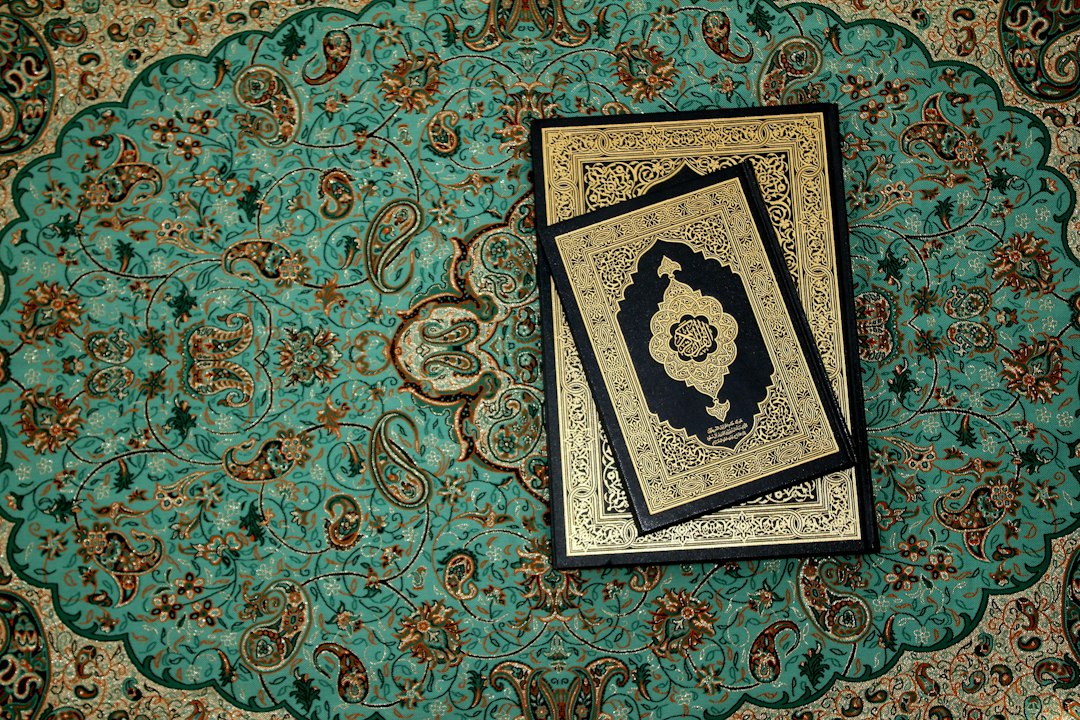
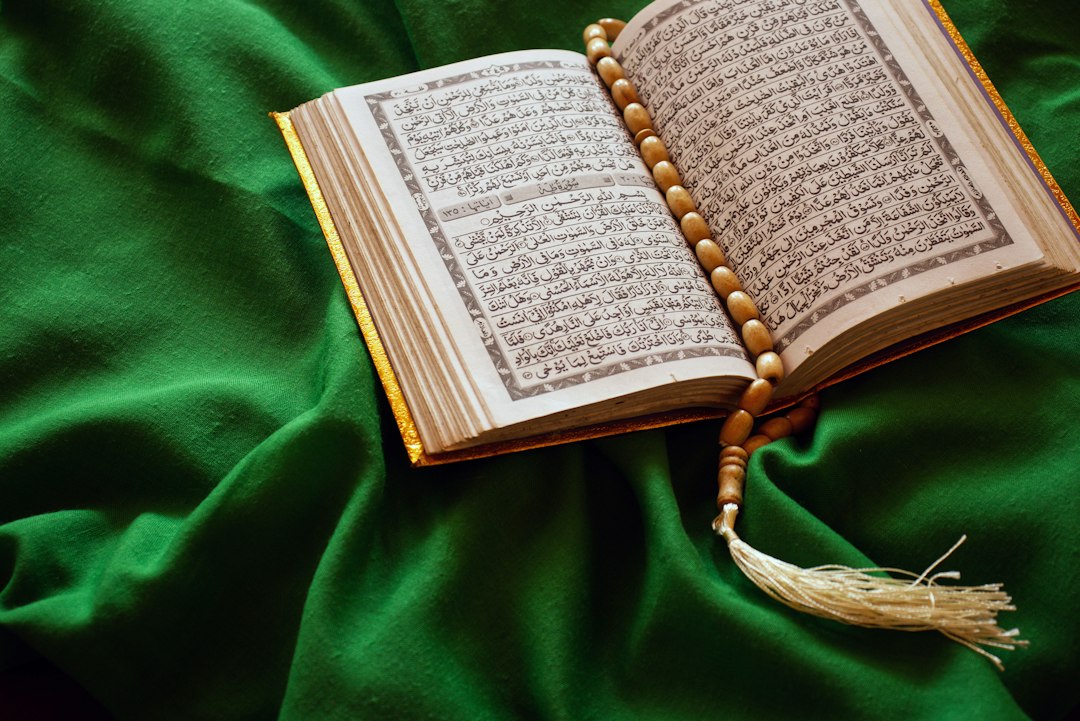
Visual guide to Asma-ul-Husna and their meanings.
Why Learn Asma-ul-Husna Daily
Many of these names close Quranic verses — for example the last three verses of Surah Al-Hashr (Quran 59:22–24) mention more than a dozen of them together. Reading the names in their Quranic context deepens understanding and makes your dhikr and dua more meaningful.
Make a habit of reading a few names after Fajr or Isha, reflecting on their meaning, and using them in your own duas. For daily protection and remembrance, combine this with the morning and evening azkar.
FAQ – 99 Names of Allah
What are the 99 Names of Allah called?
They are called Asma-ul-Husna, meaning “the Most Beautiful Names”, a phrase taken from the Quran (7:180). In Urdu they are known as اسماء الحسنیٰ.
Is there a hadith about the 99 Names of Allah?
Yes. The Prophet ﷺ said Allah has ninety-nine names and whoever knows them will enter Paradise (Sahih al-Bukhari 2736). The commonly used list of the names is from Jami at-Tirmidhi 3507, whose chain many scholars consider weak.
Are the fazilat and counts for each name from the Sunnah?
No. The specific benefits and numbers of repetitions are from popular wazaif books, not from the Quran or authentic Hadith. You may call upon Allah by any of His names in dua without a fixed count.
How can I memorise the 99 Names of Allah?
Learn 3–5 names a day with their meanings, revise the previous ones daily, and use them in your duas. Most people can learn all 99 names in about a month.
Does Allah have only 99 names?
Many scholars explain that the hadith does not limit Allah’s names to 99; it states that whoever knows these 99 will enter Paradise. Allah has other names as well.