Quick Answer: How many pages is the Quran?
🕋 Qilaj Islamic Activity Center
Sirf 1 minute: Qurani Hal, Tasbih ya Islamic Quiz start karein
آپ کی پریشانی کیا ہے؟
📿 33 Tasbih Challenge
33 bar SubhanAllah complete karein
🧠 Islamic Quiz Challenge
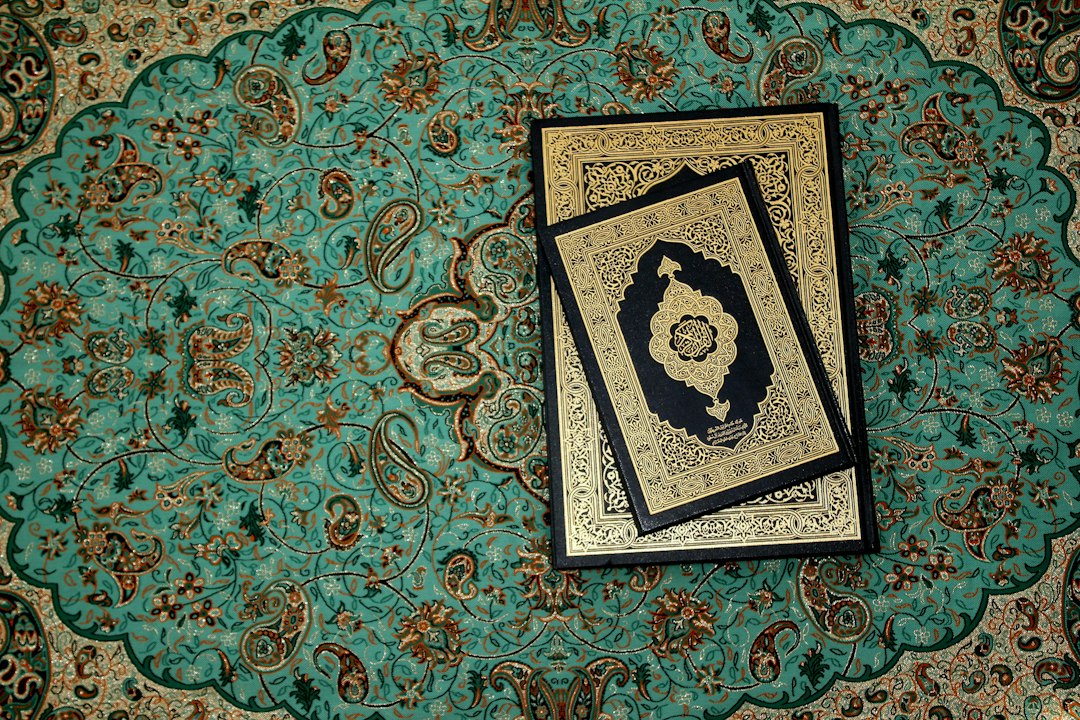
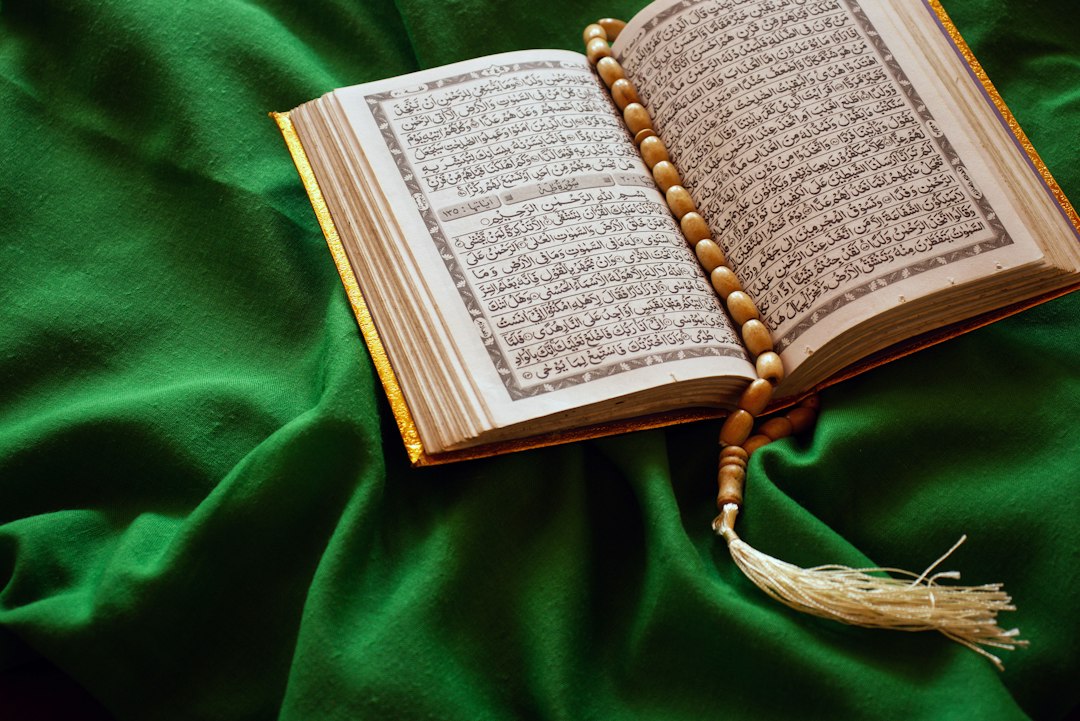
The standard Madani Mushaf has 604 pages (15 lines per page). Page count changes with the print style:
- 15-line Madani (Arabic): 604 pages, about 20 pages per Juz
- 16-line Indo-Pak: about 548 pages
- 13-line Indo-Pak (common in Pakistan/India): about 848 pages
- With Urdu or English translation: roughly 800–1,200+ pages
Have you ever opened the Quran and quietly wondered, “how many pages are in the Quran?” Indeed, it’s one of those questions that seems simple at first—but once you look into it, the answer becomes a bit more interesting.
Maybe you’ve seen different copies at home, in a mosque, or online. For instance, some look thick, while others look compact. So naturally, the confusion begins. Are they all the same? Or is something different?
Let’s clear everything up in a simple, honest, and easy-to-understand way.
So, How Many Pages Are in the Quran?
The most widely accepted answer is:
The Quran contains 604 pages.
This number comes from the standard Madani Mushaf, which publishers widely print in many parts of the world, including Saudi Arabia, Pakistan, India, Bangladesh, and other Muslim communities.
However, this number is not always fixed because different publishers may use different font sizes, page layouts, translations, and printing styles.
Why the Page Count Is Not Always the Same
If the Quran is one book, why don’t all copies have the same number of pages? That’s a fair question.
The answer is simple: the content stays exactly the same, but the format changes.
1. Font Size Matters
Some publishers print Qurans with large Arabic text to make reading easier, especially for elders or beginners. Naturally, larger text means fewer words per page, which increases total pages.
2. Page Design and Layout
- Standard Madani Quran → 15 lines per page
- Other versions → 12 or 13 lines per page
- Pocket-size Quran → smaller font and compact layout
As a direct consequence, this small difference can add many extra pages or reduce the total number of pages across different editions.
3. Translation and Tafsir
Furthermore, when publishers include translations such as Urdu, English, Hindi, or explanations such as Tafsir, the page count increases significantly.
Arabic-only Quran ≈ 604 pages
Translated Quran ≈ 800–1200+ pages
Understanding the Structure of the Quran
Instead of focusing only on pages, it’s more helpful to understand how the Quran is organized internally.
1. Surahs (Chapters)
The Quran has 114 Surahs. For example, some Surahs are very short, such as Surah Al-Kawthar, while others are long, such as Surah Al-Baqarah.
2. Juz (Parts)
Moreover, the Quran is divided into 30 Juz, making it easier for Muslims to complete its recitation in 30 days.
3. Hizb (Sections)
Each Juz is divided into 2 Hizb, making a total of 60 sections.
4. Ruku (Paragraph Units)
Similarly, Ruku are smaller sections used mainly for recitation and understanding. They help readers pause at meaningful points during Quran recitation.
What Does the Quran Say About Its Preservation?
One of the most remarkable facts about the Quran is that Allah Himself promised to preserve it. This means that the words of the Quran remain protected, even if page numbers, fonts, or layouts change.
إِنَّا نَحْنُ نَزَّلْنَا الذِّكْرَ وَإِنَّا لَهُ لَحَافِظُونَ
“Indeed, it is We who sent down the Reminder, and indeed, We will be its guardian.”
Reference: Surah Al-Hijr 15:9
Why Understanding the Quran Matters More Than Page Count
Many people ask about the total pages of the Quran, but the deeper purpose of the Quran is guidance, reflection, and implementation in daily life.
أَفَلَا يَتَدَبَّرُونَ الْقُرْآنَ
“Do they not reflect upon the Quran?”
Reference: Surah An-Nisa 4:82
Authentic Hadith About Preserving the Quran
Allah did not only promise the preservation of the Quran in the holy book itself, but Prophet Muhammad ﷺ and his companions also supported it through their historic efforts.
Zayd ibn Thabit (RA) reported that Abu Bakr (RA) sent for him after the Battle of Yamamah and instructed him to collect the Quran into one manuscript.
Abu Bakr (RA) said:
“You are a wise young man and we do not suspect you. You used to write the Divine Revelation for the Messenger of Allah ﷺ, so search for the Quran and collect it.”
(Sahih al-Bukhari 4986)
Therefore, this historic event became the foundation for preserving the Quran in a written form after the passing of Prophet Muhammad ﷺ.
How the Quran Was Preserved During the Time of Prophet Muhammad ﷺ
During the lifetime of Prophet Muhammad ﷺ, Muslims preserved the Quran in two primary ways:
- Through memorization by thousands of companions.
- Through written records prepared by the scribes of revelation.
Whenever new verses came down, the Prophet ﷺ would instruct his companions where those verses belonged within the Quran.
عثمان بن عفان رضي الله عنه reported that whenever verses were revealed, the Prophet ﷺ instructed the scribes:
“Place these verses in the Surah in which such-and-such is mentioned.”
(Sunan Abi Dawud 786)
This clearly shows that the Prophet Muhammad ﷺ directly guided the arrangement of Quranic verses.
Historical Incidents from the Era of Prophet Muhammad ﷺ
To fully comprehend how the divine text reached us, we must look at specific events during the lifetime of the Prophet ﷺ. The Quran came down in stages over 23 years, responding to the dynamic circumstances of the early Muslim community. During this period, the Prophet ﷺ established a rigorous system to ensure absolute accuracy.
The Annual Review with Angel Jibril (AS)
An essential event in Quranic history highlights its cross-verification. Every year during the month of Ramadan, Angel Jibril (AS) would review the revealed portions of the Quran with Prophet Muhammad ﷺ. However, in the final year of the Prophet’s life, this review took a dramatic turn.
Fatima (RA) narrated that the Prophet ﷺ whispered a secret to her during his final illness:
“Jibril used to repeat the Quran with me once every year, but this year he repeated it with me twice. I do not see it except that my time of death has approached.”
(Sahih al-Bukhari 3624)
Consequently, the companions called this final double-review the Ardah Akhirah (The Final Presentation). This rigorous process fixed the definitive order of the verses and Surahs before the Prophet’s passing.
The Devotion of the Scribes of Revelation (Kuttam al-Wahy)
Whenever revelation descended, the Prophet ﷺ immediately summoned his literate companions. Scholars note that up to 45 companions served as scribes at various times, including Zayd ibn Thabit, Ubayy ibn Ka’b, Ali ibn Abi Talib, and Mu’awiyah ibn Abi Sufyan.
These scribes did not write on modern paper. Instead, they recorded the words on available resources like Likhaf (thin white stones), Asib (leafless palm branches), Ruga’a (pieces of parchment or leather), and Aftaf (wooden camel saddles). The Prophet ﷺ would then double-check their writing by asking them to read it back to him, instantly correcting any scribal slips.
The Role of Abu Bakr (RA) in Compiling the Quran
After the Battle of Yamamah, many companions who had memorized the Quran achieved martyrdom. Consequently, Umar ibn Al-Khattab (RA) became concerned that Muslims might lose portions of the Quran if more memorizers passed away.
Therefore, he advised Abu Bakr (RA) to collect the Quran into a single manuscript. Although Abu Bakr (RA) was initially hesitant, he later agreed after realizing the importance of preserving the Quran for future generations.
As a result, Zayd ibn Thabit (RA) carefully gathered Quranic verses from written materials and verified them through reliable witnesses before compiling the manuscript.
The Dramatic Selection of Zayd ibn Thabit
The historical records in Sahih al-Bukhari preserve the intense conversation between Abu Bakr, Umar, and Zayd. When Abu Bakr first proposed the task, Zayd felt the massive weight of responsibility. He later remarked: “By Allah, if they had ordered me to move one of the mountains, it would not have been heavier for me than this task of collecting the Quran.”
To ensure flawless compilation, Zayd established a strict law: he would not accept any written verse unless the companion provided two reliable witnesses who swore that the verse was written down directly in the presence of the Prophet ﷺ. This legendary precision protected the text from even the slightest human error.
The Standardization of the Quran During Uthman (RA)
As Islam spread into different regions, Muslims began reciting the Quran in slightly different dialects. To prevent confusion, Caliph Uthman ibn Affan (RA) ordered official copies of the Quran using the manuscript compiled during Abu Bakr’s time.
Then, the leadership sent these standardized copies to major Islamic cities, ensuring that Muslims everywhere recited the Quran consistently and accurately.
Ultimately, this effort helped preserve the Quran exactly as Prophet Muhammad ﷺ had taught it.
The Crisis in Azerbaijan and Armenia
The specific historical trigger for Uthman’s standardization occurred during the military expeditions to Azerbaijan and Armenia. A prominent companion, Hudhayfah ibn al-Yaman (RA), witnessed Muslim soldiers from Iraq and Syria arguing fiercely over slight differences in Arabic pronunciation and dialects (Ahruf).
Alarmed by this division, Hudhayfah traveled straight to Caliph Uthman in Medina and exclaimed: “O Chief of the Believers! Save this Ummah before they differ about their Holy Book as the Jews and the Christians did before them.”
Uthman immediately formed a committee led by Zayd ibn Thabit, Abdullah ibn al-Zubayr, Sa’id ibn al-A’s, and Abdur-Rahman ibn al-Harith. They meticulously copied the master manuscript into the Qurayshi dialect—the dialect of the Prophet ﷺ. Uthman kept one master copy in Medina (known as the Mushaf al-Imam) and sent the others to Mecca, Kufa, Basra, and Damascus, along with an expert reciter to teach the correct pronunciation.
Deep Theological Analysis: The Seven Ahruf and Qira’at
To understand the variations in ancient manuscripts versus the uniform 604 pages of today, we must look into the concept of the Seven Ahruf (modes). The Prophet ﷺ explained that Allah revealed the Quran in seven Arabic dialects to accommodate the various tribes of Arabia.
The Messenger of Allah ﷺ said:
“Jibril recited the Quran to me in one way. Then I requested him to read it in another way, and continued asking him to recite it in other ways, and he maintained increasing the modes until he reached seven modes.”
(Sahih al-Bukhari 3214)
Uthman’s standardization did not eliminate the preservation of the Quran; rather, it preserved the essential text while uniting the global community under a single, written orthography (Rasm). Today, the 604-page Madani layout elegantly accommodates these preservation styles, showing the deep linguistic miracle of the holy text.
Lessons We Learn from Quran Preservation
- Allah fulfilled His divine promise to protect the Quran across centuries.
- The companions took extraordinary, systemic care in preserving every single verse.
- The Quran remains entirely unchanged after more than fourteen centuries of history.
- Muslims around the world still recite the exact same Quran today without variation.
- The physical preservation of the text stands as one of the greatest miracles in human history.
- The meticulous methodologies of early Muslims laid the groundwork for modern textual criticism.
How the Quran Was Compiled
The Prophet Muhammad ﷺ received the Quran through divine revelation over approximately 23 years. During his lifetime, many companions memorized the Quran, and selected scribes also wrote down the verses.
After the passing of Prophet Muhammad ﷺ, the leadership compiled the Quran into a single manuscript during the caliphate of Abu Bakr (RA). Later, during the caliphate of Uthman ibn Affan (RA), scribes prepared and distributed standardized copies to different regions of the Muslim world.
In short, this careful preservation ensured that the Quran remained the same in wording, recitation, and meaning across generations.
How Many Pages in One Juz?
If you’re using a standard 604-page Quran:
Each Juz contains about 20 pages.
This division is especially helpful during Ramadan when many people aim to complete one Juz daily.
How Many Pages in Surah Al-Baqarah?
In the standard 604-page Madani Mushaf, Surah Al-Baqarah runs from page 2 to page 49, so it covers about 48 pages and spans the first 2.5 Juz. You can read it on our Surah Baqarah PDF page, and learn the virtues of its last verses in Surah Baqarah Last 2 Ayat Benefits.
Quran Pages in Urdu: Quran Mein Kitne Safhat Hain?
Madani Quran (15 satar) mein 604 safhat hain. Pakistan aur India mein aam milne wala 13 satar wala Quran taqreeban 848 safhat ka hota hai, aur 16 satar wala taqreeban 548 safhat ka. Har para (Juz) mein Madani Quran ke hisaab se taqreeban 20 safhat hain. Quran mukammal karne ke baad parhi jane wali dua ke liye Dua Khatam Al Quran dekhein.
Reading Plans by Pages
- Finish in 30 days: about 20 pages (1 Juz) per day
- Finish in 60 days: about 10 pages per day
- 5 pages per day: 1 page after each of the 5 prayers finishes the Quran in about 4 months
Keep count of your daily recitation or dhikr with our free Online Tasbeeh Counter, or strengthen memorization with the House of Quran memorization tool.
Interesting Facts About Quran Pages
- The standard Madani Mushaf usually contains 604 pages.
- The Quran contains 114 Surahs.
- The Quran is divided into 30 Juz.
- The Quran contains 6,236 verses (Kufan count).
- Most standard Madani Mushafs have 15 lines per page.
- Millions of Muslims have memorized the entire Quran.
Related Quran Learning Resources
- Quran Word by Word Translation PDF
- Dua Khatam al Quran Arabic
- Noorani Qaida PDF with Audio
- Online Quran Learning
- Who Wrote the Quran?
- Surah Yaseen Transliteration
- Surah Kahf
Trusted Islamic References
FAQs
How many pages are in the Quran with Urdu translation?
Usually between 800 and 1200 pages depending on layout, font size, and whether Tafsir is included.
Is the Quran always 604 pages?
No, but 604 pages is the most common standard for Arabic-only Madani Mushaf copies.
How many pages should I read daily?
If you read 20 pages daily from a 604-page Quran, you can complete the Quran in about 30 days.
Does page count affect authenticity?
No. Page count does not affect authenticity. The Quranic text remains preserved and unchanged.
How many Juz are in the Quran?
The Quran is divided into 30 Juz.
How many Surahs are in the Quran?
The Quran contains 114 Surahs.
Conclusion
So, how many pages are in the Quran?
The simple answer is 604 pages in the standard Madani Mushaf. But the deeper answer is that page count depends on printing style, font size, translation, and layout.
The Quran itself remains preserved, unchanged, and complete regardless of page count.
Instead of worrying only about page numbers, focus on building a habit of reading, understanding, reflecting, and acting upon the Quran.