To pray in Islam, you make wudu, face the Qibla, make the intention, say “Allahu Akbar”, recite Surah Al-Fatiha, bow (ruku), prostrate twice (sujood), and finish with the Tashahhud and Salam. One cycle of these movements is called a rak‘ah, and each of the five daily prayers has a fixed number of rak‘ahs. This guide explains how to pray Salah step by step, with the Arabic words, their meanings, and a short Urdu guide at the end.
🕋 Qilaj Islamic Activity Center
Sirf 1 minute: Qurani Hal, Tasbih ya Islamic Quiz start karein
آپ کی پریشانی کیا ہے؟
📿 33 Tasbih Challenge
33 bar SubhanAllah complete karein
🧠 Islamic Quiz Challenge
Why Is Prayer Important in Islam?
Salah is the second pillar of Islam and a direct link between you and Allah five times a day. The Quran says prayer is prescribed for the believers at fixed times (Surah An-Nisa 4:103), and the Prophet ﷺ said that prayer is the first deed a person will be judged on on the Day of Judgment (Jami‘ at-Tirmidhi 413). He also taught: “Pray as you have seen me praying” (Sahih al-Bukhari 631), which is why the method below follows his Sunnah. To see the five learn-at-home pillars together, read our guide to the Five Pillars of Islam.
Requirements Before You Pray
Before you stand on your prayer mat, make sure these conditions are met so that your prayer is valid.
1. Wudu (Ablution)
The Quran commands washing the face, the arms up to the elbows, wiping the head and washing the feet up to the ankles before prayer (Surah Al-Ma’idah 5:6). Perform wudu in this order:
- Make the intention in your heart and say Bismillah.
- Wash your hands up to the wrists three times, between the fingers too.
- Rinse your mouth three times.
- Sniff water into your nose and blow it out three times.
- Wash your whole face three times, from hairline to chin and ear to ear.
- Wash your arms up to and including the elbows three times, right arm first.
- Wipe your wet hands over your head once and clean your ears.
- Wash both feet up to the ankles three times, right foot first.
For the faraiz, sunnahs and what breaks wudu, see our full wudu step-by-step guide.
2. Clean Body, Clothes and Place
Your body, clothes and prayer place must be free from impurity (najasah), and you must cover your awrah: for men at least from the navel to the knees, and for women the whole body except the face and hands (some schools also exempt the feet).
3. Facing the Qibla
Muslims face the Kaaba in Makkah when praying (Surah Al-Baqarah 2:144). Use our Qibla direction finder to find it from your location.
4. The Prayer Time Has Started
Each prayer is valid only within its time. Check today’s Fajr to Isha times for your city with our live prayer times tool.
How to Pray Salah Step by Step
Every rak‘ah contains standing with Surah Al-Fatiha, one bowing and two prostrations. Small differences in hand positions exist between the schools of fiqh; all of them are based on narrations, so follow the school you were taught.
Step 1: Intention (Niyyah)
Make the intention in your heart for the specific prayer you are about to pray (for example, two rak‘ahs of Fajr). It does not have to be said aloud.
Step 2: Opening Takbir
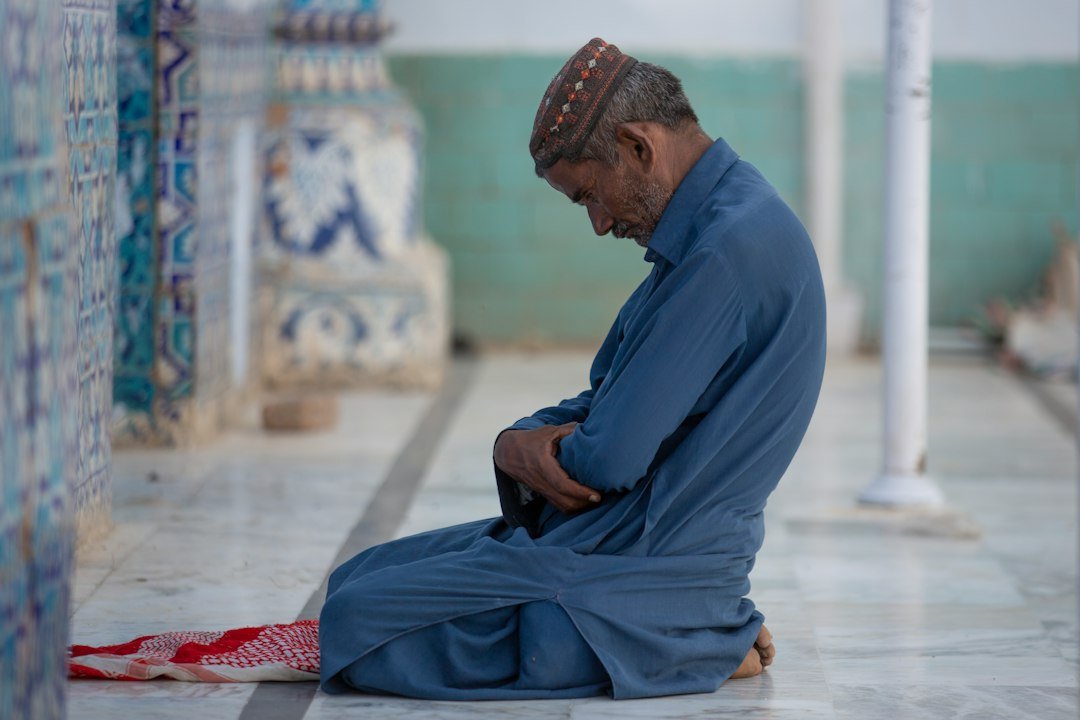
Raise your hands to your ears or shoulders and say Allahu Akbar (“Allah is the Greatest”). Then place your right hand over your left, on the chest or below the navel according to your school.
Step 3: Standing (Qiyam) and Surah Al-Fatiha
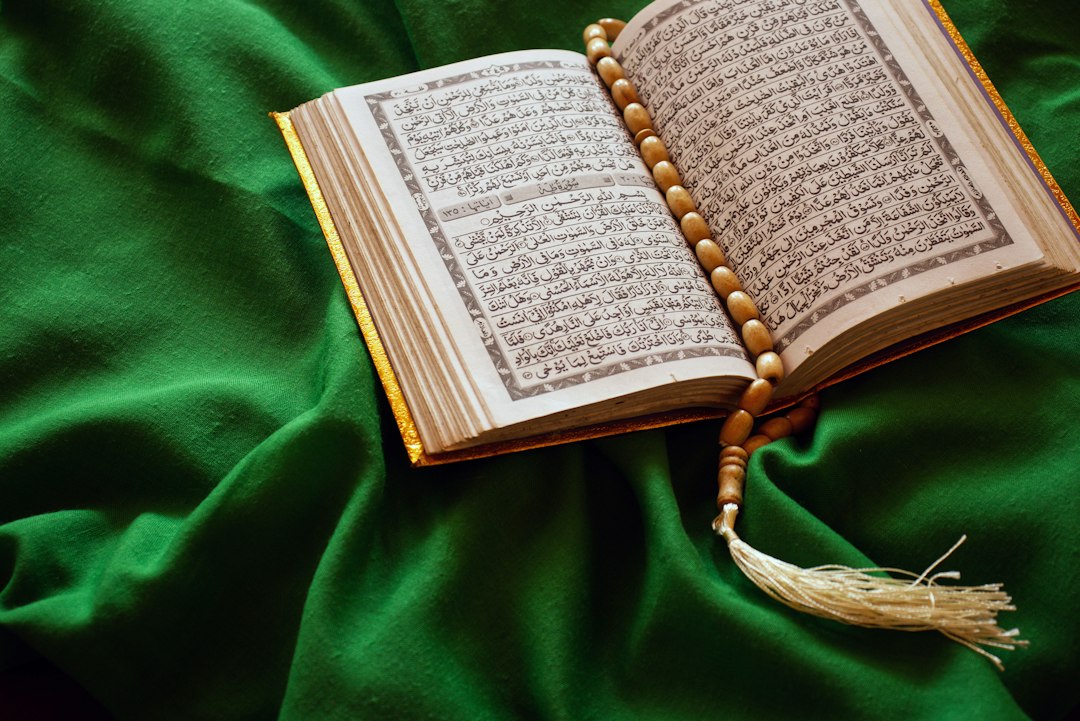
Recite Surah Al-Fatiha, which is required in every rak‘ah, followed in the first two rak‘ahs by another short surah or some verses. You can find any verse with our Quran Ayat Search.
Bismillāhir-Raḥmānir-Raḥīm. Al-ḥamdu lillāhi Rabbil-‘ālamīn. Ar-Raḥmānir-Raḥīm. Māliki Yawmid-Dīn. Iyyāka na‘budu wa iyyāka nasta‘īn. Ihdinaṣ-ṣirāṭal-mustaqīm. Ṣirāṭal-ladhīna an‘amta ‘alayhim, ghayril-maghḍūbi ‘alayhim wa laḍ-ḍāllīn.
“In the name of Allah, the Most Gracious, the Most Merciful. All praise is for Allah, Lord of all the worlds, the Most Gracious, the Most Merciful, Master of the Day of Judgment. You alone we worship and You alone we ask for help. Guide us to the straight path, the path of those You have blessed, not of those who earned anger, nor of those who went astray.”
Step 4: Bowing (Ruku)
Say Allahu Akbar and bow with a straight back, hands on your knees. Say three times: Subhana Rabbiyal ‘Azeem (“Glory be to my Lord, the Magnificent”).
Rise saying Sami‘ Allāhu liman ḥamidah (“Allah hears whoever praises Him”), and when standing straight say Rabbanā wa lakal-ḥamd (“Our Lord, to You belongs all praise”).
Step 5: Prostration (Sujood)
Say Allahu Akbar and go down into prostration so that seven parts touch the ground: forehead with nose, both palms, both knees and the toes of both feet. Say three times: Subhana Rabbiyal A‘la (“Glory be to my Lord, the Most High”).
Step 6: Sitting Between the Two Prostrations
Say Allahu Akbar and sit up briefly, saying Rabbighfir lī (“My Lord, forgive me”). Then say Allahu Akbar and make the second prostration in the same way. This completes one rak‘ah; stand up for the next one.
Step 7: Tashahhud, Durood and Dua
After every second rak‘ah you sit and recite the Tashahhud (Attahiyat). In the final sitting, also recite the Darood Ibrahim and a short supplication such as Dua-e-Masura.
Step 8: Ending the Prayer (Salam)
Turn your head to the right and say Assalamu ‘alaykum wa raḥmatullah (“Peace and the mercy of Allah be upon you”), then turn to the left and say the same. Your prayer is complete. Afterwards you can recite the masnoon azkar after Salah.
Number of Rak‘ahs in the Five Daily Prayers
The five obligatory prayers have 17 fard rak‘ahs in total. The Sunnah prayers shown are those commonly taught; details vary slightly by school.
| Prayer | Time | Fard rak‘ahs | Common Sunnah prayers |
|---|---|---|---|
| Fajr | Dawn until sunrise | 2 | 2 before the fard |
| Dhuhr | After midday | 4 | 4 (or 2) before, 2 after |
| Asr | Late afternoon | 4 | Optional 4 before |
| Maghrib | Just after sunset | 3 | 2 after |
| Isha | Night | 4 | 2 after, then Witr |
Detailed guides: Fajr, Zuhr, Asr, Maghrib, Isha and the Witr prayer.
Tips for Beginners
- Go slowly: be still in each position for a moment; calmness (tuma’ninah) is part of a correct prayer.
- Learn Surah Al-Fatiha first: it is recited in every rak‘ah. Our namaz guide with audio helps with pronunciation.
- Use notes while learning: many scholars allow beginners to read short notes until they memorise the words; ask your local imam about your school’s view.
- If you make a mistake: forgetting a required part or losing count is corrected with Sajda-e-Sahw (two prostrations of forgetfulness).
- Know what is required: see the faraiz and wajibat of namaz and things that break the prayer.
اسلام میں نماز پڑھنے کا طریقہ (اردو)
نماز اسلام کا دوسرا رکن ہے اور دن میں پانچ وقت فرض ہے۔ یہ بندے کو اللہ کے قریب کرتی ہے، دل کو سکون دیتی ہے اور برائی سے روکتی ہے۔
نماز سے پہلے کی تیاری
- وضو: نماز سے پہلے وضو کرنا ضروری ہے۔
- پاکی: جسم، کپڑے اور جگہ پاک ہوں اور ستر ڈھکا ہو۔
- قبلہ رخ: خانہ کعبہ کی طرف منہ کریں۔
- وقت: نماز کا وقت شروع ہو چکا ہو۔
نماز کا طریقہ مختصر
- دل میں نیت کریں اور اللّٰہ اکبر کہہ کر ہاتھ باندھیں۔
- ثناء، تعوذ اور بسم اللہ کے بعد سورۃ الفاتحہ اور کوئی سورت پڑھیں۔
- اللّٰہ اکبر کہہ کر رکوع کریں اور تین بار سُبْحَانَ رَبِّيَ الْعَظِيمِ کہیں۔
- سَمِعَ اللّٰہُ لِمَنْ حَمِدَهُ کہتے ہوئے کھڑے ہوں اور رَبَّنَا وَلَكَ الْحَمْدُ کہیں۔
- دو سجدے کریں اور ہر سجدے میں تین بار سُبْحَانَ رَبِّيَ الْأَعْلَى کہیں۔
- دو رکعت کے بعد التحیات پڑھیں؛ آخری قعدے میں درود ابراہیمی اور دعا پڑھ کر دائیں اور بائیں سلام پھیریں۔
تفصیل کے لیے ہماری اردو نماز گائیڈ دیکھیں۔ نماز ایک عظیم عبادت ہے؛ سیکھنے کی نیت سے پڑھتے رہیں، اللہ آسانی فرماتا ہے۔
FAQ: How to Pray in Islam
How many times a day do Muslims pray?
Five times: Fajr, Dhuhr, Asr, Maghrib and Isha. Together they contain 17 fard rak‘ahs.
What do you say in each position of Salah?
Allahu Akbar to start and move between positions, Surah Al-Fatiha while standing, Subhana Rabbiyal ‘Azeem in ruku, Subhana Rabbiyal A‘la in sujood, the Tashahhud while sitting, and Assalamu ‘alaykum wa rahmatullah to end.
Can I pray if I don’t know Arabic yet?
Yes. Start learning Surah Al-Fatiha and the basic phrases, pray as well as you can while learning, and ask a local imam for help. Allah rewards sincere effort.
What if I forget a step in prayer?
If you miss a required part or lose count of rak‘ahs, perform Sajda-e-Sahw (two prostrations of forgetfulness) at the end of the prayer as taught in your school.
Do I need wudu for every prayer?
You need to be in a state of wudu. If your wudu has not been broken, you can pray several prayers with it.
Source & review: References: Quran (quran.com), Hadith (sunnah.com). Content reviewed by Qilaj editorial team.