Resize Image, Compress & Print Size Pro
Simple image resizer, compressor, preview and download tool
🕋 Qilaj Islamic Activity Center
Sirf 1 minute: Qurani Hal, Tasbih ya Islamic Quiz start karein
آپ کی پریشانی کیا ہے؟
📿 33 Tasbih Challenge
33 bar SubhanAllah complete karein
🧠 Islamic Quiz Challenge
- Size
- Compress
- Preview
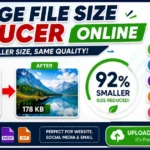
Compress Image to 500KB Online is built for people who need a practical image result, not a complicated editing screen. A good image tool should solve the real upload problem, not just change numbers on a screen. This page focuses on strict KB upload limits such as 500KB, job forms, school portals, website images and mobile-friendly sharing so the final image is easier to upload, publish, send or add to a WordPress page.
The main goal of this tool is smaller file size, faster uploading and fewer rejection errors. Instead of forcing you to install software, it gives you a focused workflow: upload the image, apply the required adjustment, review the result and download the improved file. This makes it useful for students submitting forms, bloggers uploading article images, shop owners adding product photos, and social media users who need a smaller file quickly.
What this tool helps you fix
Compress Image to 500KB Online can help when an image is rejected, loads slowly, appears too large, looks badly cropped or does not match the required upload box. It is especially useful when you need a clean file quickly and do not want to open a heavy design program. The tool keeps the process simple while still encouraging a proper final check.
- Prepare images for forms, websites, profiles and social platforms.
- Reduce common upload errors caused by file size, dimensions or format.
- Keep the image practical for real users, not just technically smaller.
- Improve consistency before adding images to WordPress or WooCommerce.
- Save time when you need several similar images prepared for a content batch.
Who should use this page?
This tool is useful for students submitting forms, bloggers uploading article images, shop owners adding product photos, and social media users who need a smaller file quickly. A beginner can use it because the workflow is direct, while a publisher can use it as part of a larger SEO and content production process. The strongest use is not random editing; the strongest use is preparing an image for a specific job, such as a form upload, blog post, product review, social post, thumbnail, profile picture, document upload or image gallery.
For Qilaj.com, this matters because image pages should not be thin pages with only a shortcode. A helpful page explains the problem, teaches the user what to check, gives practical guidance and then provides the tool. That combination is stronger for users and safer for long-term SEO quality.
How to use it correctly
Start with the best original image you have. A clear source file usually gives a better final result than a blurry screenshot or a heavily forwarded WhatsApp image. After uploading, choose the required action and let the tool prepare the file. Then open the final image and check sharpness, crop, file size, format and readability before using it on Qilaj.com or any other website.
- Upload a clean original image.
- Apply the required compression, resize or conversion setting.
- Preview the result instead of downloading blindly.
- Check important details such as faces, logos, Arabic text, product labels or form text.
- Download the final image and rename it with a clear, SEO-friendly file name if needed.
Best use cases
This page is useful for strict KB upload limits such as 500KB, job forms, school portals, website images and mobile-friendly sharing. For a blog or affiliate page, it can help keep images lighter and more consistent. For a form, it can help meet size requirements without repeated trial and error. For social media, it can reduce awkward cropping and improve the first impression when users see the image in a feed, story or thumbnail.
It can also help during bulk publishing work. When you prepare many posts at the same time, image inconsistency becomes a hidden problem. Some images become too heavy, some are named poorly, some have weak alt text and some are cropped in a way that does not match the article. Using a focused image tool before import reduces these small errors before they become site-wide quality issues.
Quality checklist before downloading
Very heavy compression can make text, faces and product details look blurry, so always check the preview before downloading. A final image should be small enough for the requirement but still clear enough for the human viewer. If the image contains text, zoom in and confirm the words remain readable. If it contains a person, product or logo, check that the main subject is not stretched or cut.
- Is the final file size close to the required limit?
- Does the image still look clear on mobile?
- Are important objects placed inside the safe area?
- Is the file format accepted by the platform?
- Is the file name simple, readable and relevant?
- Does the image match the article or page where it will be used?
- Is the alt text helpful for accessibility instead of only keyword stuffed?
SEO and WordPress publishing tips
If you are using this image inside WordPress, avoid names like IMG_2026_final_new.jpg. A better file name should describe the image naturally, for example compress-image-to-500kb-online.jpg. Add helpful alt text that explains the image for users and search engines. Do not stuff keywords into every image field; write useful descriptions that match the page topic.
For Qilaj-style content, the best image practice is simple: keep the image relevant, lightweight, visually clear and matched with the surrounding article. This supports page speed, user experience and Google Helpful Content expectations because the image is actually serving the reader instead of only filling space.
How this supports Helpful Content
A page about compress image to 500kb should do more than repeat the same keyword. It should explain when the tool is useful, what result the user should expect, what mistakes to avoid and how to check the final file. This is why the content on this page is written around real user intent: upload success, visual clarity, file compatibility, mobile viewing, WordPress publishing and practical image quality.
Helpful content is also about honesty. No tool can promise perfect quality for every image because the result depends on the original file. A high-resolution image with good lighting usually gives a cleaner final result. A screenshot, blurry photo or already compressed file may have limits. The best workflow is to use the cleanest original image available and then review the output carefully.
Common mistakes to avoid
Do not compress the same image again and again until it becomes unreadable. Do not stretch a small image into a large size and expect it to become sharp. Do not use a random image name when the image is part of an SEO page. Do not upload a file without opening the final version at least once. These small checks prevent many import, design and ranking quality problems later.
Another mistake is using one fixed image rule for every platform. A passport photo, a YouTube thumbnail, a Pinterest pin, a product image and a WordPress featured image have different needs. The right setting depends on the destination. Always match the final file with the place where it will be used.
When this tool is most helpful
Compress Image to 500KB Online is most helpful when you already know the purpose of the image. If the image is for a job form, follow the form requirement. If it is for a YouTube thumbnail or social post, check the platform layout. If it is for a WordPress article, balance quality and speed. The right result is the one that satisfies both the technical requirement and the human viewer.
Practical publishing workflow
A clean workflow is simple: choose the right image, prepare it with the tool, preview the result, rename the file, write a useful alt description, upload it to the correct page and check the front-end preview. This reduces broken image issues, improves user experience and keeps your media library easier to manage when the site grows.
Final tip: use the tool as part of a clean publishing workflow. Prepare the image, check the final file, write a natural alt text, add it to the correct page and keep the image relevant to the content. That is a stronger approach than only chasing a smaller file size or a fixed dimension.