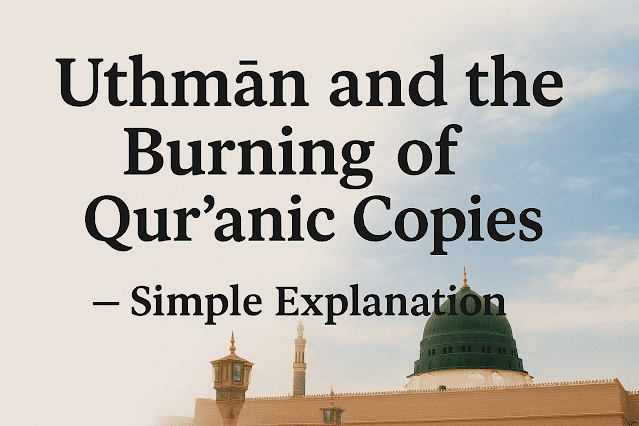
Why did Uthman (RA) burn copies of the Quran? According to Sahih al-Bukhari 4987, Caliph Uthman ibn Affan (RA) had official copies of the Quran made from the master manuscript kept by Hafsa (RA), sent one to every province, and ordered other personal sheets and copies to be burned. He did this to stop disputes over recitation and keep one agreed text — not out of disrespect for the Quran. This page explains the Uthman burning Quran event in simple English and Roman Urdu, with verified references.
🕋 Qilaj Islamic Activity Center
Sirf 1 minute: Qurani Hal, Tasbih ya Islamic Quiz start karein
آپ کی پریشانی کیا ہے؟
📿 33 Tasbih Challenge
33 bar SubhanAllah complete karein
🧠 Islamic Quiz Challenge
Easy English + Roman Urdu explanation
Background: How the Quran Was First Collected
During the Prophet Muhammad’s ﷺ lifetime the Quran was memorised by many companions and written down on various materials. After many reciters were martyred at the Battle of Yamama, Umar (RA) urged Caliph Abu Bakr (RA) to collect it. Abu Bakr appointed Zaid bin Thabit (RA), who gathered the Quran from written pieces and from those who had memorised it. These sheets stayed with Abu Bakr, then with Umar, and then with Hafsa bint Umar (RA) — as narrated in Sahih al-Bukhari 4986.
For a broader overview of how the Quran was revealed and preserved, read our guide Who Wrote the Quran?.
Why Did Uthman Standardize the Quran?
Caliph Uthman standardized the written copies to resolve disputes over recitation and give every province the same verified text.
The decision arose during the campaigns in Armenia and Azerbaijan. Hudhaifa bin al-Yaman (RA) was alarmed by how soldiers from Sham (Syria) and Iraq differed in their recitation. He came to Uthman (RA) and urged him to act before the Muslims differed over their Book as earlier communities had differed over theirs.
- To end disputes caused by differing regional readings.
- To write the text in the dialect of Quraysh — the hadith states the committee was told to use it where they differed, since the Quran was revealed in it.
- To ensure every major province received an identical, verified Mushaf.
- To separate the Quran from personal notes and explanations that some companions had written in their own copies (a point explained by later scholars).
What Does Sahih Bukhari 4987 Say?
The main account is recorded in Sahih al-Bukhari 4987 (Book of the Virtues of the Quran, chapter: The Collection of the Quran), narrated by Anas bin Malik (RA). In summary, it states:
- Hudhaifa bin al-Yaman (RA) warned Uthman (RA) about the differences in recitation among the troops of Sham and Iraq.
- Uthman (RA) asked Hafsa (RA) for the sheets compiled under Abu Bakr, promising to return them.
- He appointed Zaid bin Thabit, Abdullah bin az-Zubair, Sa’id bin al-As and Abdur-Rahman bin al-Harith bin Hisham to copy them into complete copies (masahif).
- The sheets were returned to Hafsa (RA), a copy was sent to every province, and Uthman (RA) ordered all other Quranic material, whether in fragmentary sheets or whole copies, to be burned.
The hadith itself does not list the cities. Later historical works mention destinations such as Kufa, Basra and Sham (Damascus), and historians differ on the exact number of copies sent.
Why Were Other Copies Burned?
Removing the other manuscripts protected the agreed text; many scholars regard burning (or burying) unusable Quranic pages as a respectful way to dispose of them.
Burning the other copies was not an act of disrespect toward the Quran. Personal copies sometimes contained a companion’s own notes, a different order of surahs, or readings that were not part of the final agreed text. Keeping them in circulation could have caused confusion for later copyists. Many scholars regard burning or burying worn-out or unusable Quranic pages as a respectful way of disposal, so that they are not misused or thrown away.
It is reported in Ibn Abi Dawud’s Kitab al-Masahif that Ali (RA) said people should speak only good of Uthman regarding the masahif, because he acted with the consultation of the companions. The companions’ agreement is one reason Muslim scholars view the Uthmanic Mushaf as reliable.
Muslims believe Allah Himself promised to preserve the Quran: إِنَّا نَحْنُ نَزَّلْنَا الذِّكْرَ وَإِنَّا لَهُ لَحَافِظُونَ — “It is certainly We Who have revealed the Reminder, and it is certainly We Who will preserve it” (Quran 15:9). The committee worked from the master copy compiled under Abu Bakr and checked against companions who had memorised the Quran, which is why scholars hold that the Mushaf recited today matches what was compiled then.
Lessons for Today
- Unity of the Ummah around the Quran is a major goal of Islamic leadership.
- The Quran was preserved through both memorisation and careful written checking.
- Historical reports should be read in full, with scholarly context, not as isolated headlines.
- Respect for the Quran includes respectful handling and disposal of worn-out pages.
You can read and search the Quran itself with our Quran Ayat Search tool, learn about its structure in How Many Pages Are in the Quran?, or explore more lives of the companions in Sahaba Stories.
Conclusion
The compilation directed by Caliph Uthman (RA) gave the Muslim world one agreed written text of the Quran. It ended disputes over recitation, was based on the collection made under Abu Bakr (RA), and had the support of the companions. The Uthmanic Mushaf remains the basis of every printed Quran today.
Hazrat Usman aur Quran ke Nuskhe Jalane ka Waqia (Roman Urdu)
Taaruf: Rasool ﷺ ke baad Hazrat Abu Bakr (RA) ne Hazrat Umar (RA) ke mashware par Zaid bin Thabit (RA) se Quran jama karwaya; yeh safhaat baad mein Hazrat Hafsa (RA) ke paas rahe (Bukhari 4986).
Kyun: Armenia aur Azerbaijan ki muhim ke dauran Hazrat Hudhaifa (RA) ne dekha ke Sham aur Iraq ke log qiraat mein ikhtilaf kar rahe hain. Unhon ne Hazrat Usman (RA) ko aagah kiya. Hazrat Usman (RA) ne Hazrat Hafsa (RA) se asal safhaat mangwa kar Zaid bin Thabit, Abdullah bin Zubair, Saeed bin Aas aur Abdur Rahman bin Harith (RA) se nuskhe tayar karwaye aur har sooba mein ek nuskha bheja.
“Jalane” ka matlab: Baqi niji safhaat aur nuskhe jalane ka hukm diya gaya (Bukhari 4987) taake sirf ek mutafiqa matan baqi rahe. Yeh be-adbi nahi thi; bahut se ulama ke nazdeek purane ya na-qabil-e-istemal Qurani auraq ko jalana ya dafan karna ba-izzat tareeqa hai.
Sabaq: Ummat ka ittehad, Quran ki hifazat yaad-dasht aur tehreer dono se, aur tareekhi riwayaat ko ulama ke context ke sath samajhna.
Khatima: Hazrat Usman (RA) ka tayar karwaya hua Mushaf aaj har chhapay hue Quran ki buniyad hai, aur Allah ne Quran ki hifazat ka wada farmaya hai (Surah Al-Hijr 15:9). Quran ko wazu ke sath chhoone ke masail ke liye dekhein: Kya Bina Wazu Quran Parh Sakte Hain?
FAQ
Did Uthman (RA) burn the Quran?
No. Uthman (RA) had the Quran copied into official masahif and sent them to the provinces. He ordered other personal sheets and copies to be burned so that only the agreed text would circulate (Sahih al-Bukhari 4987).
Which hadith describes the Uthman burning Quran event?
Sahih al-Bukhari 4987, narrated by Anas bin Malik (RA), in the Book of the Virtues of the Quran, chapter on the Collection of the Quran.
Who was on Uthman’s Quran committee?
Zaid bin Thabit, Abdullah bin az-Zubair, Sa’id bin al-As and Abdur-Rahman bin al-Harith bin Hisham (RA), as named in Sahih al-Bukhari 4987.
Was any part of the Quran lost?
Muslim scholars hold that nothing was lost: the copies were made from the collection compiled under Abu Bakr (RA), checked by companions who had memorised the Quran, and Allah promised to preserve it (Quran 15:9).
Is it allowed to burn old Quran pages?
Many scholars regard burning or burying worn-out Quranic pages respectfully as acceptable ways to dispose of them, citing the action of Uthman (RA). Follow the guidance of your local scholars.
Related reading
- Who Wrote the Quran? Revelation and Preservation
- Historical stone bearing the name of Umar bin al-Khattab (RA)
- Quran & Tafsir
Source & review: References: Quran (quran.com), Hadith (sunnah.com: Bukhari 4986, 4987). Content reviewed by Qilaj editorial team.





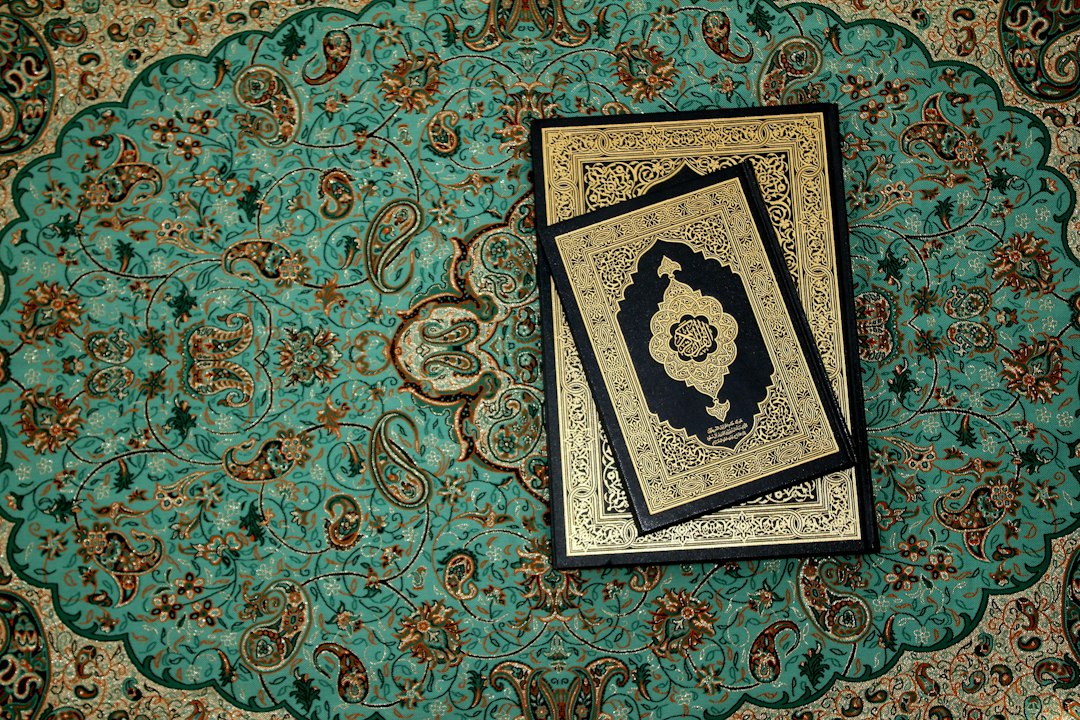
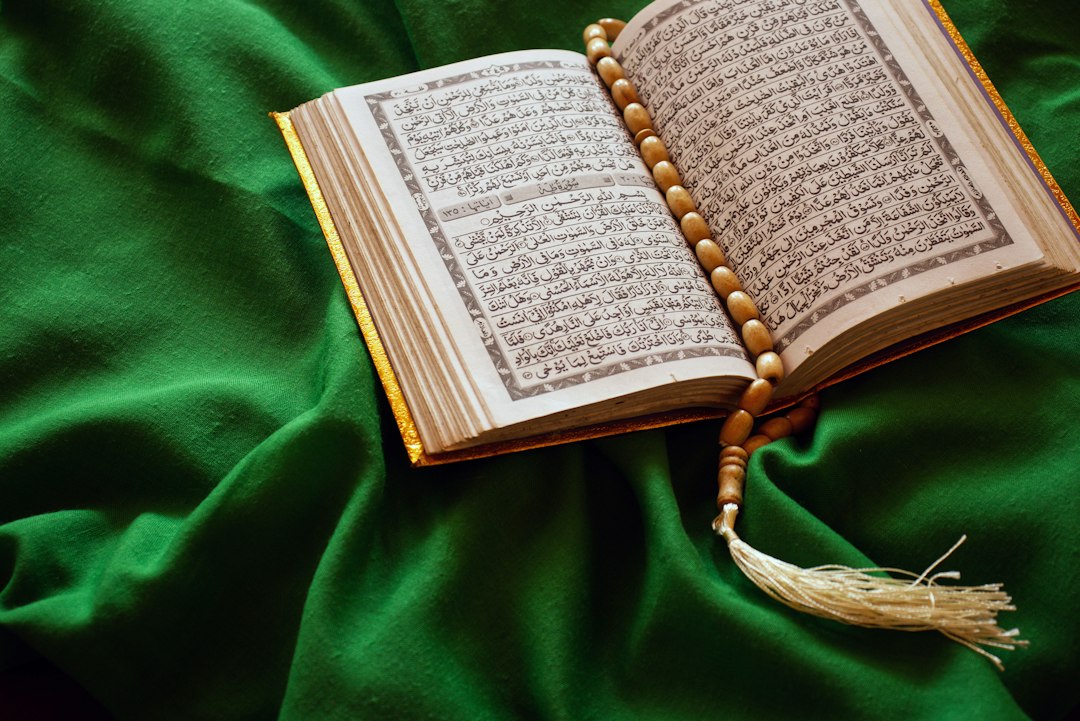
 burn Quran copies? Sahih Bukhari 4987 explained in English and Roman Urdu: Hudhaifa's warning, the committee and the official Mushaf.)