Dua Qunoot In English | Arabic, Transliteration & Meaning
Quick answer: Dua Qunoot is a supplication commonly recited in Witr. If you are looking for the Dua Qunoot in English, the most useful format is Arabic text, transliteration and a clear English translation. A well-known wording asks Allah for guidance, wellbeing, protection and blessing. Different schools have recognised variations in Witr practice, so follow the method taught by a trusted scholar.
🕋 Qilaj Islamic Activity Center
Sirf 1 minute: Qurani Hal, Tasbih ya Islamic Quiz start karein
آپ کی پریشانی کیا ہے؟
📿 33 Tasbih Challenge
33 bar SubhanAllah complete karein
🧠 Islamic Quiz Challenge
Dua Qunoot In English — Quick Reference
Arabic
اللَّهُمَّ اهْدِنِي فِيمَنْ هَدَيْتَ، وَعَافِنِي فِيمَنْ عَافَيْتَ، وَتَوَلَّنِي فِيمَنْ تَوَلَّيْتَ
Transliteration
Allahumma ihdini fiman hadayt, wa afini fiman afayt, wa tawallani fiman tawallayt.
English Meaning
O Allah, guide me among those You have guided, grant me wellbeing among those You have granted wellbeing, and take me into Your care among those You have taken into Your care.
Best Time to Read
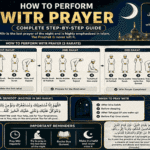
You can read this dua in Witr prayer according to the recognised practice you follow. Treat this as an act of sincere understanding, not a formula with a fixed count and a guaranteed payoff.
How to Read and Practise It
- Read the Arabic first and use transliteration only to support pronunciation.
- Learn the English meaning so the supplication is understood.
- Ask a trusted scholar about the exact Witr method you follow.
- Practise in short phrases rather than memorising everything at once.
- Keep the focus on sincere worship, not a guaranteed worldly outcome.
Dua Qunoot English Translation
The English meaning of Dua Qunoot is a request for Allah’s guidance, wellbeing, care, blessing and protection. Translation helps a learner understand the prayer, but it does not replace the Arabic wording when Arabic is required in the formal prayer according to one’s jurisprudential practice. Use the translation for study and understanding.
For readers searching for dua e qunoot in english, the practical lesson is simple: keep the remembrance connected to the situation, learn the wording carefully, and let the meaning influence your actions. The dua is a form of turning to Allah, so it should increase humility, hope, patience and responsible behaviour rather than superstition or dependence on a formula.
Arabic, Transliteration and Meaning
The Arabic wording should be learned carefully. Transliteration can help a beginner but should not become a permanent substitute for learning Arabic pronunciation. Listen to a reliable teacher or reciter, compare your pronunciation and practise consistently.
Why Is Qunoot Recited in Witr?
Qunoot is a supplication within Witr in established Islamic practice. The details vary among schools, so online articles should not be used to create unnecessary disputes. The safest approach is to learn from a qualified scholar familiar with the method you follow.
English Meaning of Each Request
The first request is guidance: a believer asks Allah to keep him or her among those rightly guided. The next asks for wellbeing. The supplication then asks Allah to take the person into His care. These requests show that success is not merely material; guidance and protection are central.
How to Memorise Dua Qunoot
Read one line repeatedly, understand it, then add the next. Practise after salah or during a quiet study period. Avoid relying entirely on transliteration because English letters cannot perfectly represent every Arabic sound. Once comfortable, recite without looking.
Common Questions About English Qunoot
People often search for “dua qunoot in english,” “qunoot dua in english,” “dua e qunoot english transliteration” and “translation of dua e qunoot.” These searches usually reflect a desire to understand or memorise the same supplication. A good page should provide Arabic, pronunciation help, translation and practical prayer guidance together.
When learning the English translation, it helps to read it alongside the Arabic rather than as a replacement for it, since Qunoot is typically recited within the prayer itself. Many reciters first memorise the meaning in their own language, then gradually commit the Arabic to memory using the translation as an anchor.
Final Takeaway
To close, the dua qunoot in english is short and easy to keep: اللَّهُمَّ اهْدِنِي فِيمَنْ هَدَيْتَ، وَعَافِنِي فِيمَنْ عَافَيْتَ، وَتَوَلَّنِي فِيمَنْ تَوَلَّيْتَ, read “Allahumma ihdini fiman hadayt, wa afini fiman afayt, wa tawallani fiman tawallayt”, meaning “O Allah, guide me among those You have guided, grant me wellbeing among those You have granted wellbeing, and take me into Your care among those You have taken into Your care”. Learn it with its meaning, recite it with sincerity, and continue taking the practical steps the situation needs.
Source and Authenticity
This is the same Qunoot narration described above: Sunan Abu Dawood (1425), Tirmidhi (464) and Nasa’i (1745), from Al-Hasan ibn Ali (RA). It is graded hasan by most hadith scholars, including Al-Albani. The English rendering used on this page is a translation of that same authentic Arabic text, not a separately invented English dua, which is an important distinction when searching for “Dua Qunoot in English.”
Common Mistakes to Avoid
Relying solely on the English translation during prayer, rather than learning the Arabic that is actually recited in Witr, is a common shortcut that limits long-term benefit. Another mistake is assuming that any English wording labelled “Dua Qunoot” online is accurate; translations vary in quality, so it helps to compare a few reputable sources. Avoid skipping Qunoot altogether simply because the Arabic feels difficult at first — gradual memorisation, a few phrases at a time, is the practical Sunnah approach many reciters use.
Learning the Meaning Behind Each Line
Dua Qunoot moves through several distinct requests: asking for guidance among those already guided, wellbeing among those in wellbeing, protection among those protected, blessing in what has been given, and protection from the evil that has been decreed. It closes by affirming that Allah judges and is not judged, and that whoever Allah takes as an ally is never humiliated. Reading the English translation slowly, phrase by phrase, alongside the Arabic — rather than treating the whole dua as one long block — makes it easier to internalise the meaning and to recite it with genuine presence of heart (khushu’) in Witr, which several scholars describe as the actual purpose of learning any dua’s translation in the first place.
Related Islamic Resources
Explore these related Qilaj guides for more practical Islamic learning:
- Dua-e-Qunoot in Arabic, Urdu & English
- Namaz-e-Isha Tariqa
- Tahajjud Prayer
- Ayatul Kursi in English
- Last 2 Ayat of Surah Baqarah
- Istikhara Dua in Arabic
Frequently Asked Questions (FAQ)
What is Dua Qunoot in English?
Dua Qunoot is a supplication recited in Witr according to established Islamic practice. An English translation can help you understand its meaning.
Can I read the English translation during prayer?
For the exact rules about using a translation during salah, follow the fiqh school or qualified scholar you rely on, because rulings can differ.
What does Dua Qunoot ask Allah for?
Its meanings include seeking Allah’s guidance, help, forgiveness, protection and blessing while affirming reliance upon Him.
Is Dua Qunoot compulsory?
Its legal status and details differ among recognised schools of Islamic jurisprudence. Learn the position of the school or scholar you follow.
How can I memorize Dua Qunoot?
Learn it in short sections, practise the Arabic regularly and use the translation to understand what you are saying.
Is it acceptable to recite Dua Qunoot only in English during prayer?
During the prayer itself, the Arabic is what is formally recited; English is best used outside of prayer, for learning and understanding the meaning, until the Arabic is memorised well enough to use within Witr.