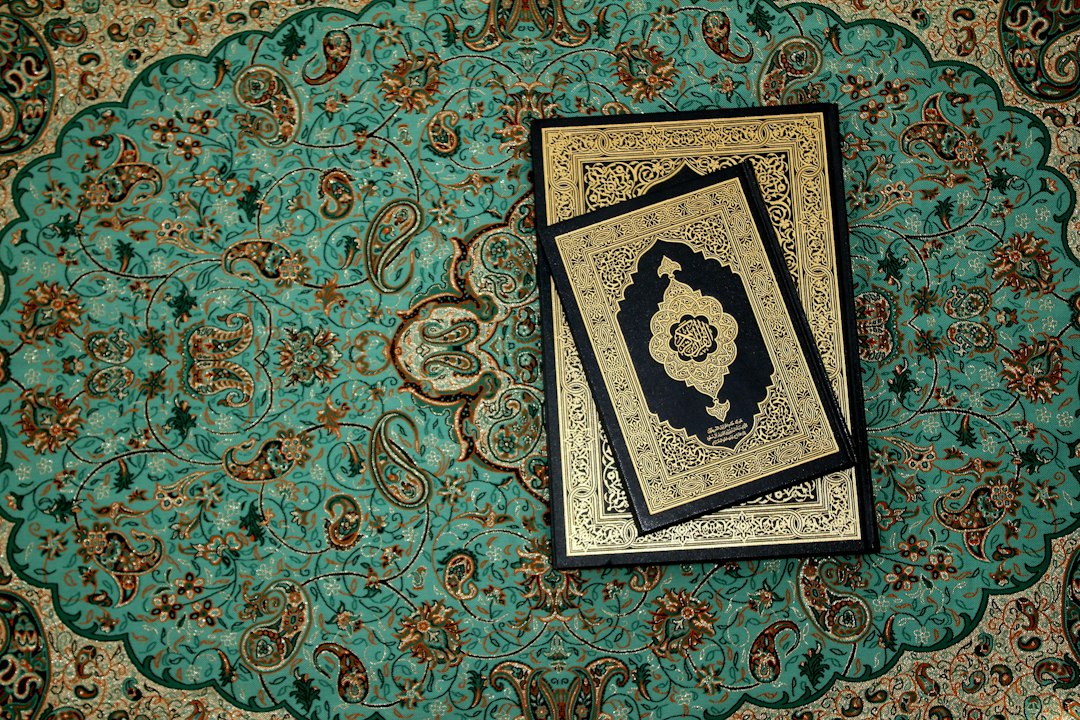
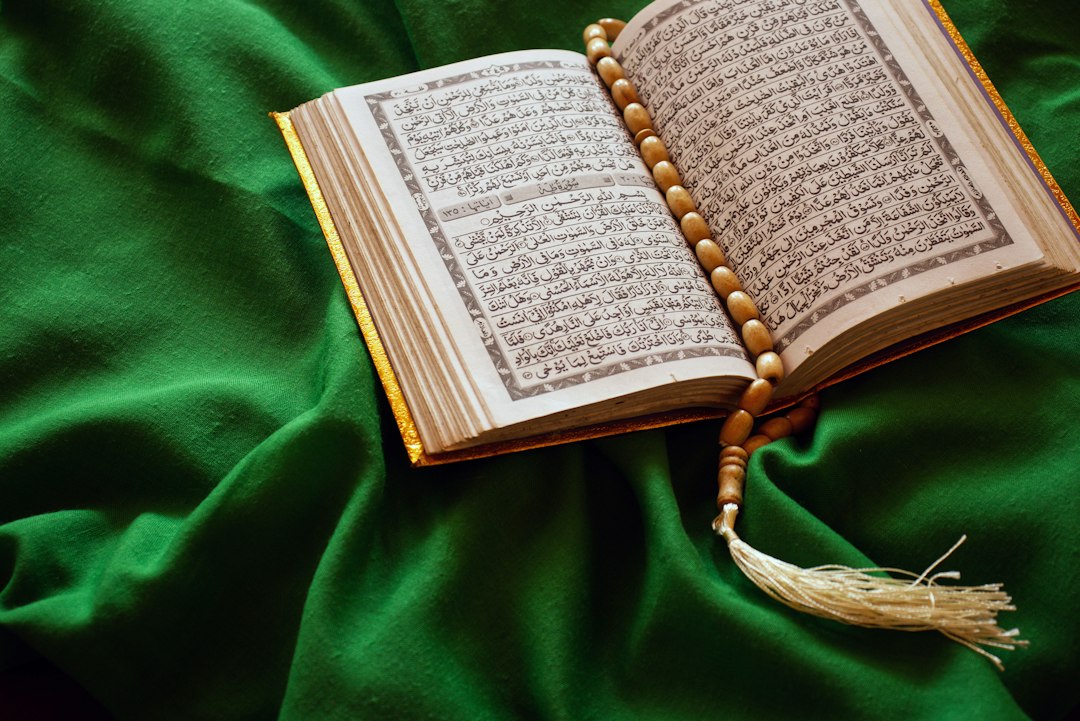
Ayatul Kursi in English means “The Verse of the Throne” – verse 255 of Surah Al-Baqarah (Quran 2:255). Its English translation begins: “Allah! There is no deity except Him, the Ever-Living, the Sustainer of all existence.” Below you will find the full Arabic text, an easy English transliteration, the English and Urdu meaning, a short tafseer, and the benefits of Ayatul Kursi that are proven by authentic hadith.
🕋 Qilaj Islamic Activity Center
Sirf 1 minute: Qurani Hal, Tasbih ya Islamic Quiz start karein
آپ کی پریشانی کیا ہے؟
📿 33 Tasbih Challenge
33 bar SubhanAllah complete karein
🧠 Islamic Quiz Challenge
آیۃ الکرسی سورۃ البقرہ کی آیت 255 ہے۔ اس صفحے پر آیۃ الکرسی کا عربی متن، انگلش ترجمہ، رومن تلفظ، اردو ترجمہ اور صحیح احادیث سے ثابت فضائل دیے گئے ہیں۔
What is Ayatul Kursi?
Ayatul Kursi (آية الكرسي) is verse 255 of Surah Al-Baqarah, the second and longest chapter of the Quran. It is called the “Throne Verse” because it mentions Allah’s Kursi, which “extends over the heavens and the earth”. In a single verse it describes Allah’s Oneness, His eternal life, His complete knowledge, His ownership of everything and His limitless power – which is why it is so loved by Muslims all over the world.
The Prophet Muhammad ﷺ himself confirmed it as the greatest verse of the Quran. When he asked Ubayy ibn Ka’b which verse in the Book of Allah is the greatest, Ubayy answered with Ayatul Kursi, and the Prophet ﷺ struck him gently on the chest and said, “May knowledge be pleasant for you” (Sahih Muslim 810).
Ayatul Kursi Arabic Text
اللَّهُ لَا إِلَٰهَ إِلَّا هُوَ الْحَيُّ الْقَيُّومُ ۚ لَا تَأْخُذُهُ سِنَةٌ وَلَا نَوْمٌ ۚ لَهُ مَا فِي السَّمَاوَاتِ وَمَا فِي الْأَرْضِ ۗ مَنْ ذَا الَّذِي يَشْفَعُ عِنْدَهُ إِلَّا بِإِذْنِهِ ۚ يَعْلَمُ مَا بَيْنَ أَيْدِيهِمْ وَمَا خَلْفَهُمْ ۖ وَلَا يُحِيطُونَ بِشَيْءٍ مِنْ عِلْمِهِ إِلَّا بِمَا شَاءَ ۚ وَسِعَ كُرْسِيُّهُ السَّمَاوَاتِ وَالْأَرْضَ ۖ وَلَا يَئُودُهُ حِفْظُهُمَا ۚ وَهُوَ الْعَلِيُّ الْعَظِيمُ
Ayatul Kursi English Translation
“Allah! There is no deity except Him, the Ever-Living, the Sustainer of all existence. Neither drowsiness overtakes Him nor sleep. To Him belongs whatever is in the heavens and whatever is on the earth. Who is it that can intercede with Him except by His permission? He knows what is presently before them and what will be after them, and they encompass not a thing of His knowledge except for what He wills. His Kursi extends over the heavens and the earth, and their preservation tires Him not. And He is the Most High, the Most Great.” – Quran 2:255
This single verse summarises the core of Islamic belief: all creation depends on Allah, while He depends on nothing. You can also read the verse with Urdu and English translation and audio in our Quran Ayat Search tool – open Surah 2 and scroll to ayah 255.
Ayatul Kursi Transliteration (Roman English)
If you cannot read Arabic script yet, this Roman English transliteration helps you pronounce Ayatul Kursi. Listen to a qari while reading it, because some Arabic sounds have no exact English letter.
Allahu la ilaha illa Huwa, Al-Hayyul-Qayyum. La ta’khudhuhu sinatuw-wa la nawm. Lahu ma fis-samawati wa ma fil-ard. Man dhal-ladhi yashfa’u ‘indahu illa bi-idhnih. Ya’lamu ma bayna aydihim wa ma khalfahum, wa la yuhituna bishay’im-min ‘ilmihi illa bima sha’. Wasi’a kursiyyuhus-samawati wal-ard, wa la ya’uduhu hifdhuhuma, wa Huwal-‘Aliyyul-‘Adheem.
Practise phrase by phrase – learning one phrase a day is enough for children and new Muslims to memorise the whole verse in about two weeks.
Ayatul Kursi Meaning in Urdu
اللہ تعالیٰ کے سوا کوئی معبود نہیں، وہ ہمیشہ زندہ رہنے والا اور تمام کائنات کو قائم رکھنے والا ہے۔ نہ اسے اونگھ آتی ہے اور نہ نیند۔ جو کچھ آسمانوں میں ہے اور جو کچھ زمین میں ہے، سب اسی کا ہے۔ کون ہے جو اس کی اجازت کے بغیر اس کے حضور سفارش کر سکے؟ وہ جانتا ہے جو کچھ بندوں کے سامنے ہے اور جو کچھ ان کے پیچھے ہے، اور وہ اس کے علم میں سے کسی چیز کا احاطہ نہیں کر سکتے مگر جتنا وہ چاہے۔ اس کی کرسی آسمانوں اور زمین پر محیط ہے، اور ان دونوں کی حفاظت اسے نہیں تھکاتی، اور وہ بہت بلند اور عظمت والا ہے۔
Simple Tafseer of Ayatul Kursi
Each sentence of verse 255 teaches a separate lesson about Allah:
- Al-Hayy, Al-Qayyum: Allah is the Ever-Living who never dies, and the One who keeps every part of creation in existence.
- No drowsiness, no sleep: His care over the universe never stops, not even for a moment.
- Absolute ownership: everything in the heavens and the earth belongs to Him alone.
- Intercession only by His permission: no one can speak for another before Allah unless He allows it.
- Complete knowledge: He knows the past, present and future; people know only what He lets them know.
- The Kursi: it encompasses the heavens and the earth, and guarding them never tires Him – a reminder of how small our problems are before His power.
Benefits of Ayatul Kursi from Authentic Hadith
Many websites list dozens of “benefits” without any source. Below are only the virtues reported in reliable hadith collections:
1. The greatest verse of the Quran
As mentioned above, the Prophet ﷺ confirmed that Ayatul Kursi is the greatest verse in the Book of Allah (Sahih Muslim 810). Reflecting on it strengthens Tawheed and trust in Allah.
2. Protection at night before sleeping
In Sahih al-Bukhari 2311, Abu Hurairah (RA) was told that whoever recites Ayatul Kursi when going to bed will have a guardian from Allah with him, and Shaytan will not come near him until morning – and the Prophet ﷺ confirmed that this was true. Make it part of your duas before sleeping, together with the last two ayat of Surah Baqarah.
3. Recitation after every obligatory prayer
An-Nasa’i reported in as-Sunan al-Kubra that the Prophet ﷺ said: whoever recites Ayatul Kursi after every obligatory prayer, nothing prevents him from entering Paradise except death. Al-Albani and other scholars graded this narration authentic. See our list of masnoon azkar after namaz to build a complete routine.
4. Peace of heart
Remembering that the Ever-Living, All-Knowing Lord is watching over you brings calm in times of fear and worry. The Quran says: “Verily, in the remembrance of Allah do hearts find rest” (Quran 13:28).
Note: Ayatul Kursi is part of the daily Sunnah protection from Shaytan and harm, together with Surah Falaq and Surah Naas. For a detailed Roman Urdu guide on its timings, read Ayatul Kursi for protection. Special counts (for example “313 times for a wish”) are not found in the Quran or Sunnah; reciting it at the Sunnah times is enough and best.
When to Recite Ayatul Kursi
- After each of the five obligatory (fard) prayers
- Before going to sleep at night
- As part of the morning and evening adhkar
- Whenever you feel afraid or anxious and want to remember Allah’s protection
You can keep count of your daily adhkar with our free Digital Tasbih Counter.
Teaching Ayatul Kursi to Kids
Introduce Ayatul Kursi to children early: break it into the short phrases shown in the transliteration, recite one phrase together after each prayer, and explain its simple meaning so that they feel safe with Allah rather than afraid. Praise every small step – most children can memorise it within a few weeks.
FAQ – Ayatul Kursi in English
What is Ayatul Kursi in English?
Ayatul Kursi means “the Verse of the Throne”. It is verse 255 of Surah Al-Baqarah and begins: “Allah! There is no deity except Him, the Ever-Living, the Sustainer of all existence.”
Which surah and para is Ayatul Kursi in?
Ayatul Kursi is in Surah Al-Baqarah (chapter 2), verse 255, in the third para (Juz 3, Tilkar-Rusul).
Is Ayatul Kursi the greatest verse of the Quran?
Yes. The Prophet ﷺ confirmed that Ayatul Kursi is the greatest verse in the Book of Allah (Sahih Muslim 810).
What happens if you recite Ayatul Kursi before sleeping?
According to Sahih al-Bukhari 2311, a guardian from Allah stays with the reciter and Shaytan does not come near him until morning.
Can I recite Ayatul Kursi without wudu?
Yes, you may recite it from memory without wudu. Touching a printed Mushaf requires wudu according to most scholars.
Related Islamic Articles
Conclusion
Ayatul Kursi is short enough to memorise and deep enough to reflect on for a lifetime. Learn its English meaning, recite it after every fard prayer and before sleeping, and let its message – that Allah never sleeps and nothing is outside His care – bring peace to your heart.
Source and review: References: Quran (quran.com), Hadith (sunnah.com). Content reviewed by Qilaj editorial team.